Did he say solo?

Today was pretty uneventful. Yesterday my instructor had mentioned we might take a trip to Dutchess County (POU) today, so I had pored over the sectional last night and did some advance planning. Alas, it was not meant to be — the weather was too crappy to leave the immediate vicinity of the airport, so we did some more pattern work.

I did much better with the actual pattern — I had the airplane trimmed more or less properly, my airspeeds were close if not dead on, and I felt like I was tracking where I needed to be. Well, everywhere except for final. I’m still having some issues with keeping the plane and nose centered while on final approach. It’s a little frustrating because one minute my CFI will say, “don’t dance on the rudder pedals!” Then, when I’m a bit more timid on them the next time around, he’ll bark, “get on those pedals!” They seem like conflicting messages, but I know what he means — I can’t be timid but I also can’t be jerky on the pedals. I need to apply the correct pressure and hold it, and I need to be commanding with the control inputs to get the plane where I need it.

Final approach is done in slow flight, which is why that was one of the first things we practiced in our early lessons. When flying slowly, there is less air flowing over the control surfaces so the controls can feel a bit mushy. They require greater travel to move the plane, so slow flight is not a time to be dainty with the plane. (Note that I don’t mean you should over control the plane — just that you need to have some authority when you’re making your inputs).

My biggest problem right now is controlling the plane while we’re in the roundout. My instructor demonstrated that you still need to fly the plane all the way down. My mind is stuck on the feeling that you are very close to the runway and you don’t want to use the ailerons, but that isn’t right (we’re probably much higher off the runway than it feels). I also keep forgetting to look down the runway during landing. The result is quite a few sloppy landings off centerline. Sigh, practice will make perfect.

When we came in after the lesson (logging another 7 takeoffs and landings), I was surprised to hear my instructor mention me soloing for the first time. Now, we still have quite a bit of work to do before I’m there, including traveling to all the local airports so he can endorse me to land there in case DXR closes for an emergency while I’m in the pattern. Still, it was great to hear him start talking about planning for that day.

One of the requirements is to complete the pre-solo written exam.

Pre-solo written exam

The written is more of a research project than an exam. The test covers a wide range of topics, everything from aircraft systems to emergency procedures to local airspace rules. I have to look up the answers to every question and also note where I found the answer — either the airplane’s operating manual, the FAR/AIM book of federal regulations, or some other document.

I took the exam home and will work on it this week. The next time we have a bad weather day, my CFI will review my answers and (hopefully) I’ll be one step closer to flying an airplane by myself!

Flight time today: 1.4 hours
Total flight time to date: 17.2 hours
Total takeoffs to date: 35
Total landings to date: 31
Bumps in the air

Ah, another Saturday morning at the airport. I love the smell of 100LL in the morning!

More pattern work today — with the extra challenge of some crosswinds and turbulence to make things interesting.

Fasten seat belt sign
Hang on!

I had my good moments and my bad moments today. On one hand, I felt like the steps of the pattern and landing sequence are slowly starting to stick and I am doing more things correctly (like watching my airspeed and adjusting as necessary). On the other hand, the wind still caused me to have sloppy turns and the turbulence made controlling the plane a bit of a challenge at times.

The worst part of the lesson came towards the end. I had just taken off and was climbing out when all of a sudden we were hit by a gust of wind and the plane veered sharply to the side. Before I even had time to react my CFI took control and told me to keep my hands off the controls while he got it sorted out. He stressed that it was vital to always keep the plane in coordinated flight, as not paying attention to that could lead to a (very dangerous) spin condition.

I was a bit taken aback — I didn’t think I had let the plane get out of coordinated flight, it felt like the wind had just gusted and kicked us to the side. Of course, it had also taken me by surprise and I hadn’t immediately taken corrective action. I was humbled by this quick turn of events — this was the first time I really felt like I had messed up during a flight.

I collected myself and we continued on with the lesson. I wound up logging 7 takeoffs and 7 landings before we packed it in. I was a little upset with myself on the ride home, but I have to remember that this is all part of the learning process. I can’t expect myself to know what to do in every situation when I only have 14 hours under my belt.

Flight time today: 1.5 hours
Total flight time to date: 15.8 hours
Total takeoffs to date: 28
Total landings to date: 24

More pattern work

Today the weather was above my CFI’s minimums so we went up to practice more touch and go’s. The first trip around the pattern my CFI stayed quiet and let me do the flying, and I wound up focusing too much on holding altitude and let my airspeed get away from me. I was eventually too high and fast on final so I executed a go-around.

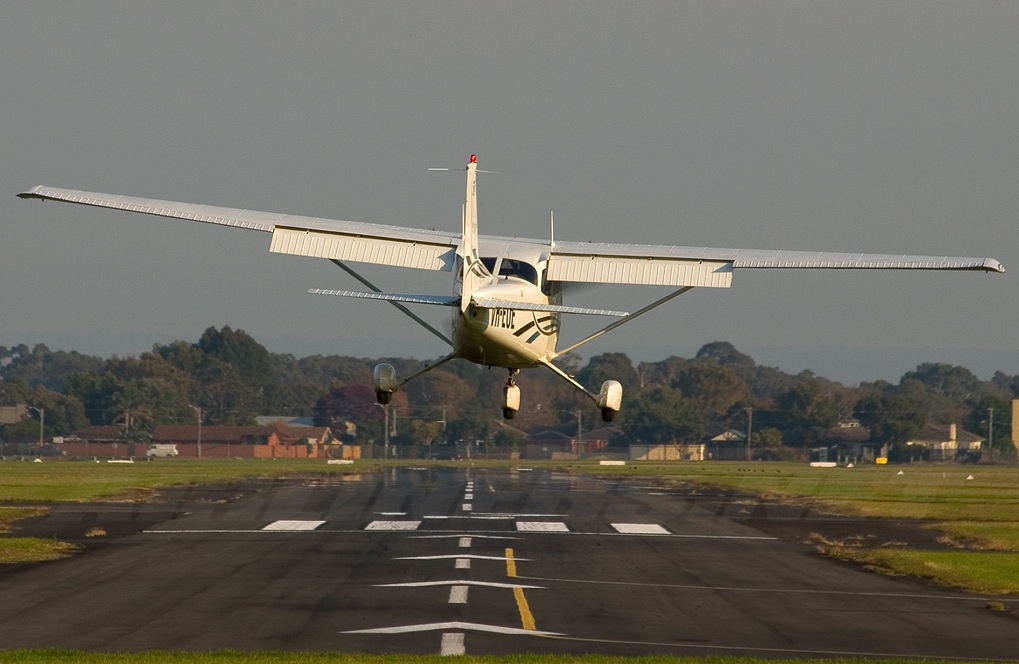
Cessna on final approach
This isn’t me, but I’m sure my approaches looked pretty similar

We continued working the pattern, both left and right hand traffic (the normal pattern for DXR is left hand, but we requested a right hand pattern from ATC so I could get some experience with it). I felt like some things were coming together and I was starting to get the hang of things. I’m still a far way from being able to fly this without coaching, but I’m getting closer.

We had a bit of excitement towards the end of the lesson when another plane suddenly floated into view from the right as we were on downwind. This guy totally cut us off, floated off to the left across our path of flight, then veered back to the right out of sight. I’m sure he wasn’t as close as it looked, but to my student eyes he seemed really close, definitely the closest I’ve seen any traffic while in flight!

My instructor was pretty pissed off… he took control of the plane until the traffic was clear and I asked him if I had done anything wrong. I couldn’t imagine he would’ve let me steer us somewhere we weren’t supposed to be, but I wanted to make sure I didn’t mess something up! No, he assured me, that other pilot was in the wrong. Just like driving, it is very important to always maintain situational awareness and keep an eye out for other pilots. Even if you do everything right, one idiot in the air can ruin your day real quick.

I logged a total of 7 takeoffs and 7 landings before heading back to the FBO and calling it a day.

Flight time today: 1.5 hours
Total flight time to date: 14.3 hours
Total takeoffs to date: 21
Total landings to date: 17

Redbird Redux

I was anxious to get back in the air after my last lesson didn’t meet my standards, but Mother Nature was not cooperating and the fleet was grounded today. We worked on some more electronic navigation, revisiting VOR and NDB procedures in the classroom before taking a spin in the Redbird simulator. Some of this lesson was a repeat of what I learned last time, but it was a good review and there was enough new stuff added in to keep my interest (including the different types of VORs, the test tone that is broadcast to indicate a VOR is under maintenance, and how to send/receive voice broadcasts over a VOR frequency).

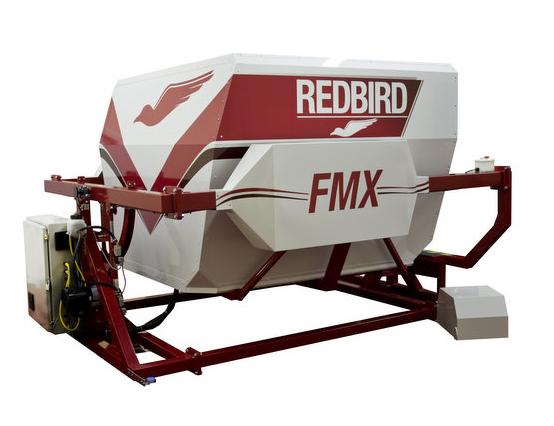
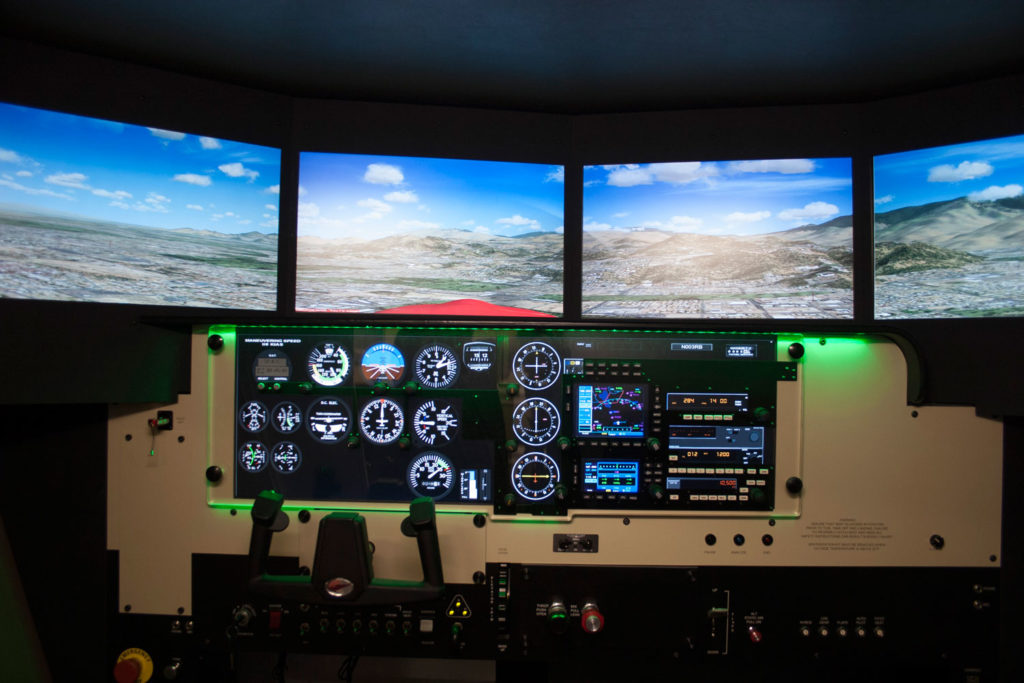
Redbird FMX simulator
My ride for the day

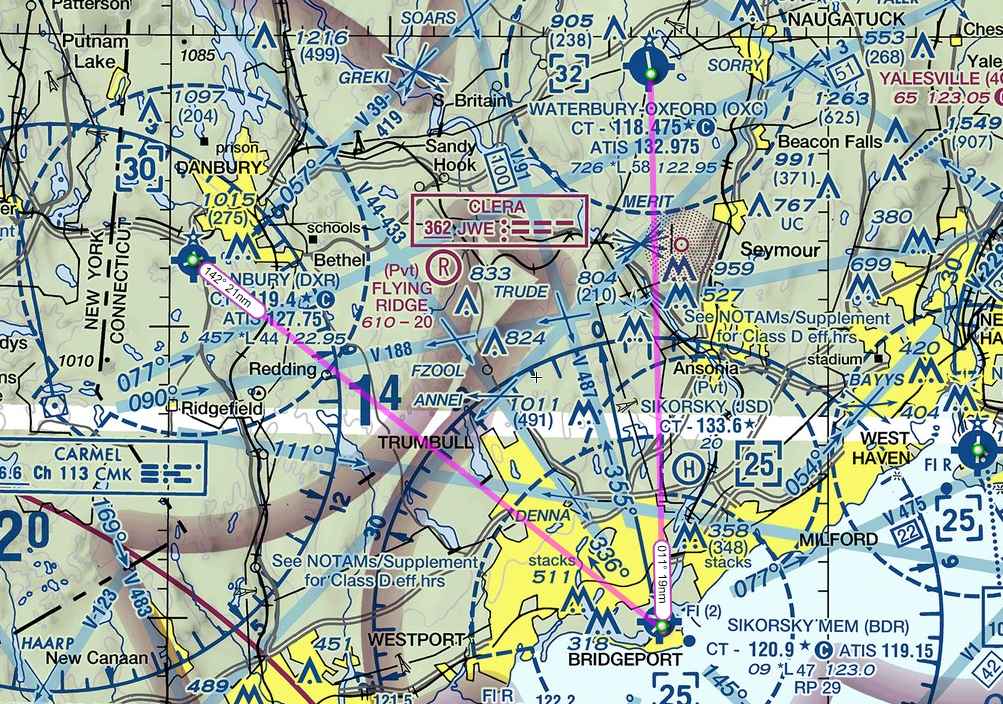
After the classroom work, I took to the sim and departed DXR, using VORs to navigate to Bridgeport’s Sikorsky Memorial (BDR). Then, I headed north to Waterbury-Oxford (OXC).

DXR-BDR-OXC

Not too much else to add… I’m feeling pretty good about my VOR skills — all my flight simming time at home has definitely made this part of training easier. The forecast for tomorrow is showing a chance of improvement, so fingers are crossed for some air time tomorrow!

Simulator time today: 0.5 hours
Total simulator time to date: 2.1 hours

A frustrating lesson

I was back at the airport today for another flight. If yesterday found me leaving the airport with a sense of accomplishment, today was the opposite.

The plan was to stay in the pattern at DXR and practice pattern work and landings again. Unlike yesterday, today there was a bit of wind that had to be compensated for. When you are dealing with wind, your heading has to be adjusted to compensate so you keep a straight ground track. This is especially important in busy airspace like an airport pattern, where not being where others expect you to be can create a very dangerous situation.

From the first takeoff, I felt like I was behind the plane the entire time. I was banking my turns too much for the wind, so my turns wound up being too early or too late. I had trouble keeping the nose on the right point during final — my instructor tries to help me out by giving me visual cues, but I think his sight picture is a bit different than mine so they aren’t helping very much. I’m just going to have to get used to my own visual references. This is one reason using a consistent seat position is important — you don’t want the sight picture changing every time you fly. Luckily, I find the best seat position is fully-raised and as far forward as it will go — this makes it easy to adjust things to be the same for each flight.

We were also doing touch and go’s today, so it was a pretty intense, rapid fire lesson. If my instructor saw I was getting overwhelmed we would do a full stop to give me a chance to collect myself. We also practiced some go-arounds and even a simulated engine-out landing where my instructor killed the throttle while we were on base and I had to glide into an approach to the runway (I actually think this was my best landing of the day!)

We logged six takeoffs and landings before returning to the ramp and shutting down. My instructor told me not to worry, that this takes practice and it will come in time, but I still left the airport feeling very melancholy. In hindsight, my flying wasn’t as bad as I felt it was at the time, but it was incredibly frustrating to keep forgetting when to do certain steps, to keep messing my turns up, and to feel like I was letting my instructor down.

On a positive note, this flight filled up the first page of my logbook!

Flight time today: 1.5 hours
Total flight time to date: 12.8 hours
Total takeoffs to date: 14
Total landings to date: 10

My first landings

Today was a milestone I’ve been waiting for since I started my training — I recorded my first landings in my logbook!

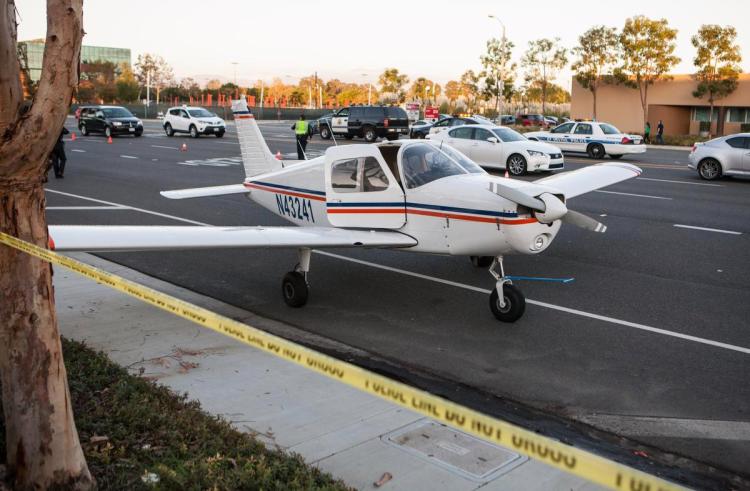
Plane after landing in street
Luckily, my landings were on the runway!

We started the lesson with some classroom time going over the pattern and each phase of the landing. The landing pattern has several distinct parts — after taking off, you turn to the crosswind leg, where you turn 90° from the runway heading (either left or right, depending on the airport or what ATC tells you to do). Then you turn 90° again into the downwind leg — this leg has you flying parallel to the runway with a tailwind, approximately one mile laterally from the runway. Once you pass the end of the runway and it is behind you at an approximate 45° angle to your wing, you turn 90° to the base leg. Then, you turn the final 90° which puts you on final approach to the runway into the wind.

Standard traffic pattern
Standard (left hand) traffic pattern

There is a lot to do when preparing to land and it got a bit overwhelming. We started with my CFI showing me the full process from takeoff to landing. Then it was my turn! My instructor handled the radio calls so I could focus on flying the plane. At DXR, we have a noise abatement procedure which requires turns to be made at 1,200 MSL, so after taking off we climbed to 1,200 feet and turned left to crosswind. My instructor gave me some local landmarks to use to judge when to turn — this is fine while I’m learning but eventually I will need to be able to do this even if I am at an airport I’ve never been to before. It is important to understand what the various distances look like so you don’t need to rely on a landmark that is specific to a certain location.

Turning crosswind, we continued our climb to DXR’s pattern altitude of 1,700 feet MSL. At this point, I reduced power and brought the nose down to hold the altitude and then turned downwind. While on the downwind leg, I lowered the flaps to 10° and my instructor called the tower to report we were on the downwind. Our speed for the downwind leg is 90mph (the Cessna 172M I am flying has its airspeed indicator in mph instead of knots), which is controlled with the elevators (pitch) and not the throttle (power). We received landing clearance to runway 26 and when we were abeam the runway numbers I reduced power once again to start descending.

I then turned onto base and dropped the flaps to 20°. I slowed the plane to the base leg speed of 80mph and turned to final.

On final approach, the flaps were lowered to 30° and the speed was lowered to 70mph. At this point, you switch to controlling the speed of the plane with the throttle and use the pitch to keep the nose held steady on your landing target. My plane has 40° of flaps and my CFI intends to teach me how to use them, so we lowered full flaps while descending to the runway. While on final approach, you use the ailerons to keep the plane tracking the centerline of the runway while using rudder to move the nose left or right to keep it centered.

As you get just about the runway, you perform the roundout where you level the plane and allow it to start to settle into the landing. At this point, my CFI says the goal is to prevent the plane from landing — you look at a point down the runway (instead of fixating on the runway right in front of you) and gradually apply back pressure to the yoke to keep it from landing — this pitches the nose up so you land on the main gears instead of the (very weak) nose gear. This final part of the landing is called the flare.

Now, from this description it may sound like I had everything under control and came in for a great landing — the real story was quite different! My instructor had to continually coach me through the process and help me with the roundout and flare to teach me when to apply the back pressure and how much pressure to apply.  We did full stop landings today, which means you actually exit the runway and clean the plane up before taxiing back to the runway to takeoff again (opposed to a touch and go, where as soon as you land you clean the plane up and apply full power to go right into another takeoff without stopping).

Another new item I learned today was how to do a short field takeoff. This technique is used when you are departing from (wait for it) a short runway and need to get to speed and off the ground as quickly as possible. Instead of pulling out onto the runway like we normally do, I taxied right up against the very edge of the threshold to maximize how much runway I’d have to work with (we were doing these on DXR’s runway 26, which is over 4,000 feet long, but sometimes you just have to pretend!) In a short field takeoff you hold the brakes while applying full throttle, and once the engine is at full power you release the brakes and off you go!

I wound up doing a total of four trips around the pattern, with four takeoffs and landings being recorded in the logbook. The winds were pretty calm and I felt like I was starting to get the hang of flying the pattern. I still wasn’t completely confident on my final approaches, but I’ve been told landings take a lot of practice. I’m confident that in time I will be performing all of the steps smoothly and confidently (at least some of the time!)

I left the airport feeling like I had taken a big step towards actually being a pilot — it was a great feeling of progress and I can’t wait to get some more practice in!

Flight time today: 1.2 hours
Total flight time to date: 11.3 hours
Total takeoffs to date: 8
Total landings to date: 4

Cruising around Vermont in the Redbird

My prediction for the weather held true and there was no flying to be had today. Well, no real flying, anyway… but my instructor and I still took a short trip thanks to the Redbird FMX simulator.

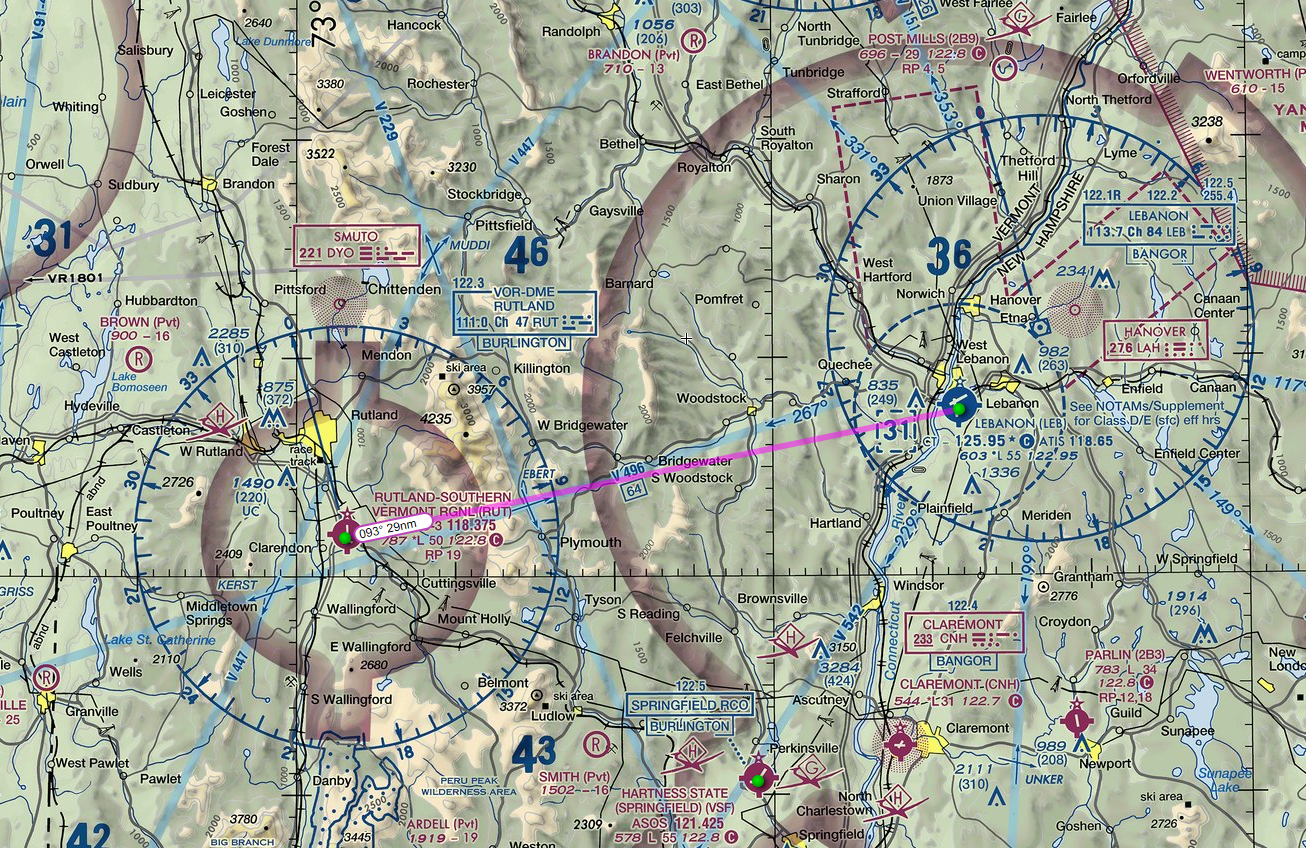
I continued my navigation practice by flying a short hop through the mountains of Vermont — from Rutland-Southern Vermont Regional (RUT) to Lebanon (LEB).

RUT-LEB

Just to make things interesting, my instructor set me up with some gusty winds and reduced my visibility to just a few miles. This underscored how legal minimums aren’t always safe — even though a daytime VFR flight has a legal visibility minimum of 3 statute miles, the sim made it clear how quickly you close that distance in a plane (even a relatively slow one). I definitely wouldn’t want to be flying in these conditions at this early stage in my aviation career!

I used VORs and an NDB to navigate between the two airports, entered and flew a left traffic pattern at LEB, and landed the “plane” safely. All in all, a pretty good lesson (especially since the sim has a pause button so my CFI can stop the action and point out items of interest…I wish we had that in the real plane!

Simulator time today: 0.9 hours
Total simulator time to date: 1.6 hours

Ground School – VOR, DME, ADF – oh my!

The weather for this weekend is forecast to be pretty lousy, so I’ve resigned myself to the fact that we won’t be flying today or tomorrow.

Luckily, my flight school is one of the only places around that has a Redbird FMX full-motion flight simulator. This is essentially a mock cockpit with all the switches and equipment you’d find on the real plane with Flight Simulator X providing the visuals.

Redbird FMX simulator cockpit
This isn’t the actual simulator at my school, but it looks exactly the same

During PPL training, you can log up to 2.5 hours of simulator time with a CFI towards your requirements. The simulator isn’t very useful for learning flight mechanics (even with full motion, it feels nothing like actually flying), but it is an amazing tool for practicing things like electronic navigation. That was the topic of today’s lesson.

We started in the classroom and reviewed three types of navigation aids. The first was VOR (VHF Omnidirectional Range) transmitters. Navigating using a VOR can be a bit tricky in practice, but the concept is fairly simple. Basically, a VOR transmits radials in all directions. The radials can be thought of as radiating (aha!) outwards from the VOR like the spokes on a wheel. The radials are identified by their outbound heading from the VOR station.

A VOR station and radials

Your VOR receiver in the plane can be tuned to a particular radial and can tell which direction your plane would need to turn to be on that radial. You can use this information to determine what heading you need to fly to go direct to the VOR. You can also use this to stay centered on a particular radial being emitted from the VOR. For example, if you plot a course on your sectional and find your destination is on the 276° radial from the XYZ VOR, you could tune XYZ’s frequency, tune your receiver to 276°, and use the receiver to keep you on that track.

That’s a very simplified explanation — in real life there is a bit more complexity and some gotchas to keep in mind, but that’s the quick and dirty version.

The second type of navigation aid is DME, which stands for Distance Measuring Equipment. If your plane has a DME receiver, you can tune it to a VOR’s frequency, but instead of providing directional info like the VOR receiver, it provides distance information so you can tell how far you are from the station. This can be very helpful in determining your location — a VOR receiver will tell you which radial you are on, but not where you are on that radial. With DME, you can pinpoint exactly where on that radial you are. DME is pretty straightforward — the only catch is that the distance provided is slant range, which means a direct line drawn from your plane to the station. That means if you are directly over the station at 6,100 feet AGL, the DME would indicate a distance of 1nm. Compare that to GPS which would show the actual horizontal distance of 0nm.

DME slant range
Illustration of how slant range is calculated

The last navigation aid we talked about was the NDB or Non-Directional Beacon. This acts sort of like a dumb VOR — it just broadcasts its location, shouting, “I’m over here!” If your plane is equipped with an Automatic Direction Finder (or ADF), that instrument will point its needle to the direction of the NDB.

After our lesson, I got a bit of flight time in the sim and practiced tracking to and from VORs and NDBs. This was actually something I had a bit of experience in from the recreational flight simming I’ve been doing at home for years. In fact, one of the best guides I’ve found explaining the ins and outs of electronic navigation is the wonderful (and simply named) Flight Simulator Navigation site. I highly recommend it!

While the sim time was productive, I was still disappointed that I had to stay on the ground today. Tomorrow will likely be the same story, but I have my fingers crossed.

Simulator time today: 0.7 hours
Total simulator time to date: 0.7 hours

Simulating the traffic pattern and go-arounds

Today I got one step closer to being able (and allowed!) to land the plane.

We started off in the classroom reviewing the traffic pattern. Basically, the traffic pattern is a standard set of rules planes are supposed to follow when arriving at and departing an airport. This way everyone knows where everyone else is supposed to be and there is less chance of a collision in the busy airport environment.

Standard traffic pattern
Standard (left hand) traffic pattern

Well, my instructor wasn’t going to set me loose in the actual pattern just yet. Instead, we headed out to the practice area and flew a simulated pattern. He gave me some reference points to base the pattern around and we went through the whole process as if we were in the real pattern — slowing the plane down for landing, lowering the flaps at the appropriate points, etc… Then, when we were on “final approach” he had me initiate a go-around procedure.

The go-around is a very important tool in the pilot’s arsenal. Anytime a landing doesn’t feel right — if the approach is not stable, or if anything seems off — you should immediately initiate a go-around and start over. A lot of pilots have killed or injured themselves by trying to force a landing when they should’ve gone around and set up again. You also need to be able to do a go-around if ATC instructs you to — maybe there has been a runway incursion by another plane or they need to close a runway for some reason — you never know!

I performed the go-arounds by applying full power and starting a climb, gradually cleaning up the flaps as we gained altitude and speed. Then we just transitioned right back into flying the pattern again and setting up for another landing.

My instructor also threw me a curveball when he “failed” my airspeed indicator for a little while — covering it with a rubber disc so I couldn’t see it. I was expected to get the airplane to the correct speeds by feel — listening to the engine, looking at the pitch of the place, how quickly we were moving across the ground, etc… I nailed this a couple of times, and others I was as much as 10mph off. It was a good learning experience. It sounds impossible but my CFI compared it to driving — you can drive without looking at your speedometer and be pretty close to your intended speed. You know what 30mph looks and feels like, you know what 60mph looks and feels like… eventually I will have that same level of intuition and comfort flying this plane.

When we were done practicing I started flying us back to DXR — I was hopeful that I might be allowed to do my first landing, but alas! It was not to be. A couple of planes were all converging at the airport at the same time as us and my CFI deemed it a bit too busy.

I’m still not confident in my ability to fly the real pattern, but my instructor assured me I will get a LOT of practice in this area!

Flight time today: 1.0 hours
Total flight time to date: 10.1 hours
Total takeoffs to date: 4